Soil pH measures how acidic or alkaline your soil is on a scale from 0 to 14. Think of it like the temperature gauge in your car – when it’s in the right zone, everything runs smoothly. When it’s off, problems start popping up everywhere.
Most people skip this step because they can’t see pH problems with their eyes. But your grass feels every decimal point. When pH levels are wrong, your lawn can’t absorb the nutrients you’re spending money on. It’s like trying to drink a thick milkshake through a coffee stirrer – the nutrients are there, but they can’t get through.
Here’s the answer you’ve been looking for: most grass types thrive when soil pH sits between 6.0 and 7.0. This range provides your lawn with the best opportunity to absorb nutrients efficiently.
Why This Range Works:
Different grass types have slight preferences within this range. Cool-season grasses like fescue and bluegrass prefer the 6.0 to 6.5 range, while warm-season varieties can handle 6.5 to 7.0. In Indiana, most lawns do best right around 6.3 to 6.8.
When pH drops below 6.0, your soil becomes acidic. Above 7.0, it turns alkaline. Both extremes create nutrient lockout, where essential elements become chemically unavailable to your grass.
Living in the Midwest comes with predictable soil challenges. Indiana’s climate and geology create specific pH patterns that affect most lawns in our area.
Acidic Soil Issues: Indiana receives ample rainfall, which gradually leaches alkaline minerals from the soil. This process, called leaching, makes our soils naturally tend toward acidity over time. Heavy clay soils, common in central Indiana, hold onto acid-forming elements longer than sandy soils.
Signs your lawn has acidic soil:
Alkaline Soil Problems: While less common in Indiana, alkaline soils still appear, especially in areas with limestone bedrock or where concrete and masonry materials have influenced soil chemistry.
Alkaline soil symptoms include:
Testing soil pH doesn’t require a degree in chemistry. You have several options, each with different levels of accuracy and detail.
DIY Home Test Kits: These cost $10-20 and give you quick results. They work fine for getting a general idea of your pH levels. Pick up soil samples from 4-5 different spots across your lawn, mix them together, and follow the kit instructions.
The downside? Home kits can be off by 0.5 pH points or more. Since small pH changes make big differences in nutrient availability, this margin of error matters.
Digital pH Meters: More accurate than test strips, digital meters cost $30-60. They give you precise readings and work well for ongoing monitoring. Just push the probe into moist soil and read the display.
Professional Lab Testing: This is your most accurate option. Professional labs test not just pH, but also nutrient levels, organic matter content, and soil structure. In Indiana, your local Purdue Extension office can connect you with soil testing services. Expect to pay $15-30 for comprehensive results.
When to Test: Test your soil in late spring or early fall when soil moisture levels are consistent. Avoid testing right after heavy rain or during drought conditions, as extreme moisture affects pH readings.
Take samples from multiple locations across your lawn. Dig down 4-6 inches to get soil from the root zone where grass actually feeds. Mix samples together for an average reading that represents your entire lawn.
Absolutely. This is where pH management pays off in real dollars saved and better results.
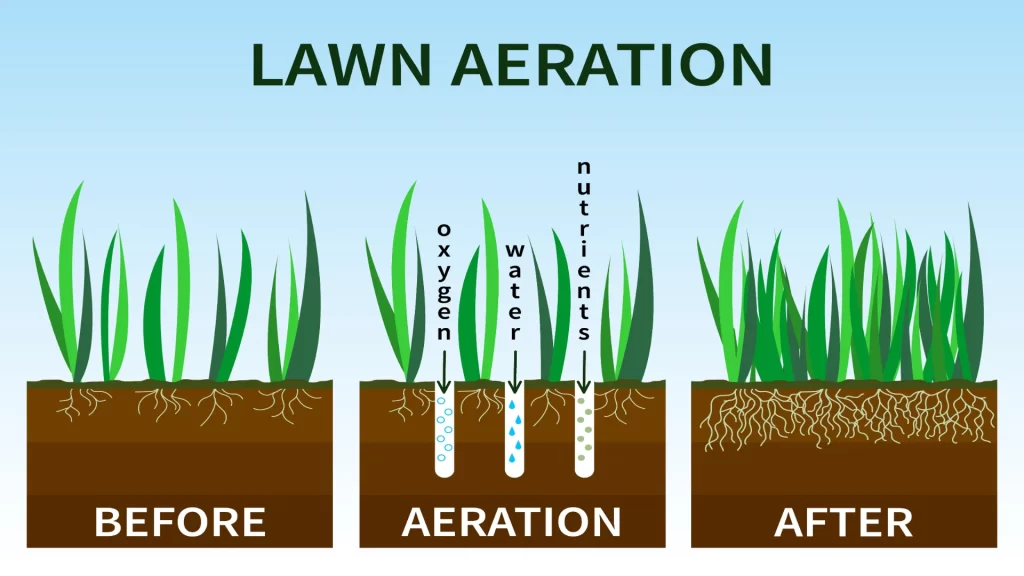
When your soil pH sits in the optimal range, fertilizer nutrients become readily available to grass roots. Outside this range, even expensive fertilizers can’t help your lawn because the nutrients get locked up in chemical bonds your grass can’t break.
How pH Affects Nutrient Availability:
In acidic soils (below 6.0):
In alkaline soils (above 7.0):
The Financial Impact: Correcting pH problems can double or triple the effectiveness of your fertilizer. Instead of applying fertilizer three times per year with poor results, you might need only two applications once the pH is balanced.
Many homeowners see a 30-50% improvement in lawn density and color within one growing season after correcting pH issues. That’s money in your pocket and less time spent worrying about your lawn.
When soil tests show pH below 6.0, limestone application is your solution. Limestone neutralizes acid and releases calcium and magnesium that grass needs for strong growth.
Types of Limestone:
Application Rates: Limestone needs vary based on your soil type and current pH level. Clay soils need more limestone than sandy soils to achieve the same pH change. A soil test report should include limestone recommendations specific to your situation.
As a general guide:
Application Timing: Apply limestone in fall or early spring. Limestone works slowly, taking 3-6 months to fully change soil pH. Fall application gives limestone time to work before the next growing season begins.
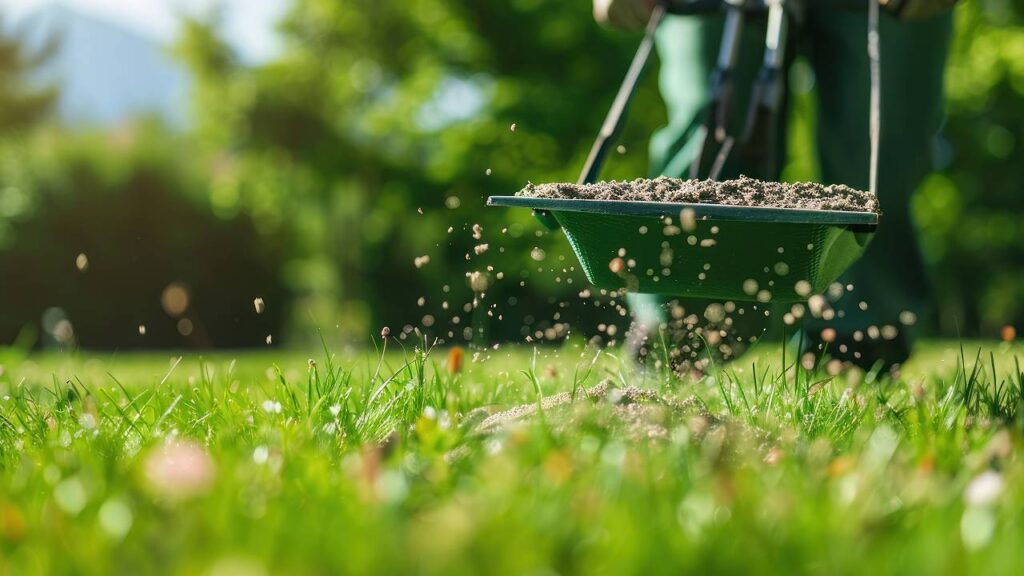
Spread limestone evenly using a broadcast spreader, then water lightly to help it start dissolving. Don’t apply more than 50 pounds per 1,000 square feet in a single application, even if soil tests suggest you need more. Split large applications over two seasons to avoid shocking your lawn.
Alkaline soils require acidifying materials to lower pH. In Indiana, this problem is less common but still occurs in specific areas.

Sulfur Applications: Elemental sulfur is the most common acidifying amendment. Soil bacteria convert sulfur to sulfuric acid, which lowers soil pH gradually over several months.
Application rates for elemental sulfur:
Iron Sulfate: Works faster than elemental sulfur but costs more. Iron sulfate also adds iron to soil, which benefits lawns showing iron deficiency symptoms.
Organic Matter: Adding compost, aged manure, or other organic materials slowly acidifies soil while improving soil structure. This method takes longer but provides additional benefits beyond pH adjustment.
Application Tips: Apply acidifying materials in spring or fall when soil moisture stays consistent. Like limestone, these materials need time to work. Split large applications over multiple seasons to avoid dramatic pH swings.
pH management isn’t a one-time fix. Soil pH naturally drifts over time due to rainfall, fertilizer applications, and organic matter decomposition. Test your soil every 2-3 years to monitor pH levels and catch problems early.
Seasonal Considerations: Late spring offers an ideal window for pH testing and corrections in Indiana. Soil temperatures have warmed up, moisture levels are typically good, and you have the entire growing season ahead for amendments to take effect.
Fall applications of limestone work well because winter freezing and thawing helps break down limestone particles. Spring sulfur applications give you time to see results during the current growing season.
Professional Services: While DIY pH management is possible, professional services offer several advantages. Lawn care professionals have experience with local soil conditions and can spot problems you might miss. They also have access to commercial-grade products and application equipment that ensure even coverage.
Professional soil testing provides a detailed analysis of nutrients beyond basic pH levels. This information helps create complete soil management programs that address multiple issues simultaneously.
A balanced soil pH is like having the right key for unlocking your lawn’s full potential. When pH levels hit the sweet spot, everything else becomes easier. Fertilizers work better, grass grows thicker, and problems become less frequent.
Don’t let poor soil chemistry sabotage your lawn care efforts. Begin with a professional soil test to gain a clear understanding of your current situation. Then, develop a plan to gradually adjust the pH levels to the optimal range for your grass type.
Remember, pH correction is a marathon, not a sprint. Changes happen slowly over months, not weeks. But the payoff – a thick, healthy lawn that responds well to your care – makes the wait worthwhile.
Your lawn has been trying to tell you what it needs. Now you know how to listen.