If you only plan to fertilize your Indiana lawn once a year, early fall (September – October) is the best time to do it. This timing surprises many homeowners. Most people think spring deserves all the attention. But cool-season grasses in Indiana grow most actively in fall.
Think about it this way. Your lawn spent all summer fighting heat and drought. By fall, it needs serious recovery. The first treatment should be applied in the early fall, and it will help replenish the nutrients your lawn used up during the summer and will help it recover from any summer-related stress.
Spring comes in second place for fertilization timing. Spring fertilization normally occurs in April or May, depending on the location in Indiana. Wait until your grass starts growing actively again. Apply too early and you waste money. The grass cannot use nutrients while dormant.
Summer fertilization requires caution. Summer in Indiana brings the heat, dryness, and plenty of sweaty afternoons—but here’s a surprise: this isn’t the most intense season for lawn care. Only fertilize in summer if rainfall stays above average. Otherwise, skip it.
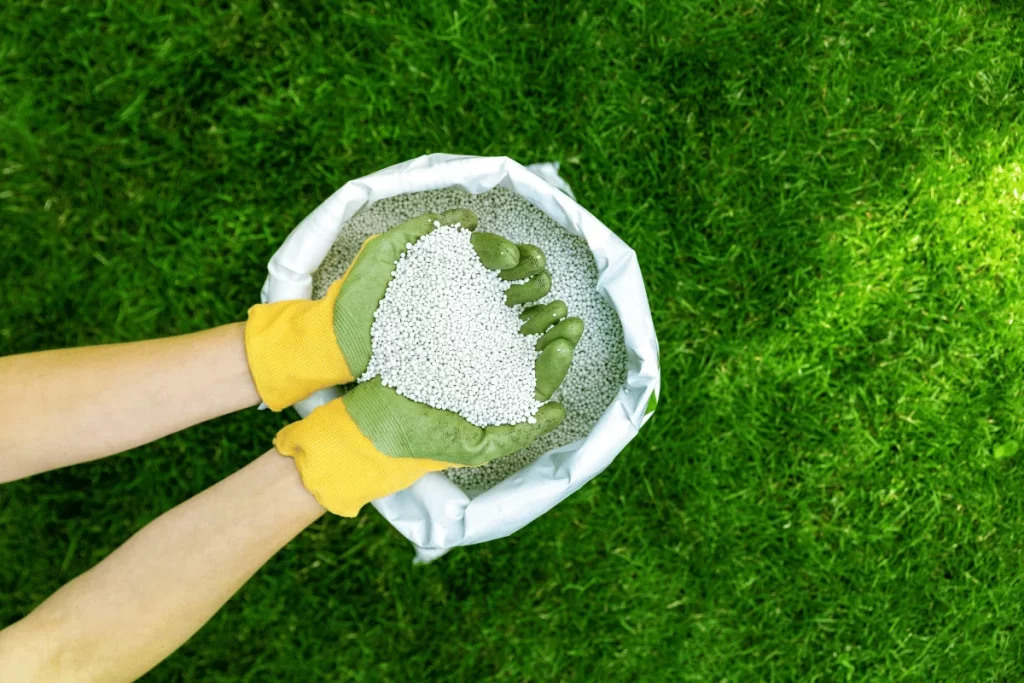
Professional lawn care in Indiana follows a specific rhythm. As a property owner in Indiana, you need to fertilize your lawn multiple times throughout the year. Most lawns need four to five treatments annually for optimal health.

Here’s what a professional schedule looks like:
You might think more fertilizer equals better results. Wrong. I learned this lesson the hard way, watching a neighbor turn their lawn into a patchwork of brown stripes. Over-fertilization causes severe damage.
The most obvious sign of over-fertilization is yellowing or browning of the tips of the grass blades and, in severe cases, scorching of the entire blades. This happens because fertilizers contain salts. Too much salt pulls moisture from grass blades.
Watch for these warning signs:
If you spot these signs, water immediately and heavily. Giving your lawn extra water helps to dilute and wash away the excess fertilizer. The sooner you act, the better your chances of saving the grass.
Let me be honest. You can buy fertilizer at any hardware store and spread it yourself on a Saturday morning. But professional application offers advantages that save money long-term.
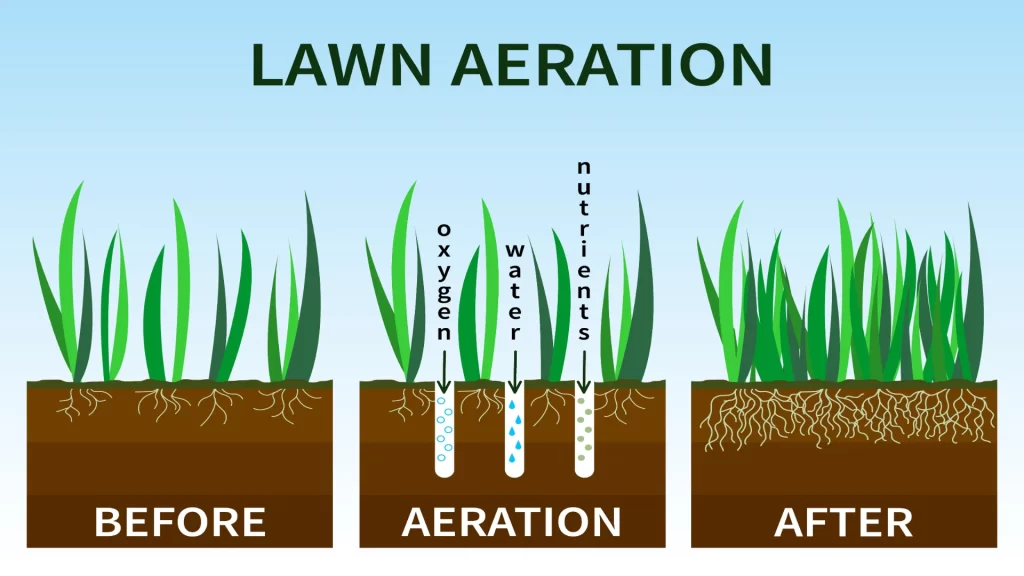
Professional fertilization does more than green up your lawn. It builds root systems that survive Indiana’s weather extremes. The lawn needs even more food to prepare itself for the upcoming winter. The lawn will use this stored food to sustain itself through the winter months and builds up the root system by helping it “harden” the plant.
Think of roots like your lawn’s foundation. Weak roots mean weak grass. Strong roots support thick, healthy turf that resists weeds, diseases, and drought. Professional fertilization schedules prioritize root development over quick green-up.
Fall fertilization proves especially critical for roots. As the lawn slows down in growth, the root system starts to store nutrients. These stored nutrients fuel spring growth without stressing the plant.
Understanding why timing matters helps you appreciate professional expertise. Cool-season grasses follow predictable growth patterns in Indiana.
Spring brings rapid top growth. Grass uses energy to push up new blades. Light fertilization supports this growth without overwhelming the plant. Too much nitrogen forces weak, disease-prone growth.
Summer stresses the grass. High temperatures slow growth. Roots struggle to absorb water. Professional applicators often skip summer fertilization unless conditions stay unusually cool and moist.
Fall triggers root growth. Fall is their most active growth period when they can best utilize the nutrients in fertilizer. Professional schedules load up on fall applications to maximize this natural growth cycle.
Winter requires stored energy. Late fall fertilization fills root reserves. Your lawn enters dormancy prepared for spring awakening.
Years of experience taught professionals what not to do. These mistakes plague DIY efforts:
Picture your lawn next spring. Thick grass crowds out weeds. Deep green color catches neighbors’ eyes. No brown patches or thin spots mar the view. This vision becomes reality with professional fertilization schedules.
At Proscape Property Maintenance, we understand Indiana lawns. We know Carmel’s clay soils need different treatment from sandy areas. We track local weather patterns. We adjust schedules based on each season’s unique challenges.
Professional fertilization represents an investment in your property’s future. Strong root systems built through proper fertilization survive whatever Indiana weather throws at them. Your lawn stays healthier with less water, chemicals, and minimal maintenance headaches.
Ready to give your lawn the professional care it deserves? Visit proscapepm.com or call 317-366-2752. Let’s build a fertilization schedule that transforms your lawn from stressed to spectacular. Your grassroots will thank you all year long.