Cool-season grasses in Carmel, primarily Kentucky bluegrass and tall fescue, experience natural summer stress when temperatures stay above 85 degrees. The goal from June through August is survival and stress reduction, not aggressive growth. Smart summer lawn care in Indiana comes down to deep watering, taller mowing, lighter treatments, and knowing when your lawn is stressed instead of dead.
Table of Contents
Why Carmel Lawns Struggle During Indiana Summers
Most lawns in Carmel are made up of cool-season grass, which grows best in spring and fall. When July heat, humidity, and dry spells arrive, the grass slows down to protect itself. That is why browning during summer does not always mean the lawn is dying.
Dormancy is a natural defense response. The grass may turn tan or grayish-blue, but the crown and roots can stay alive if the lawn receives enough moisture to survive. Dead grass usually feels brittle, pulls up easily, and fails to recover when cooler weather returns.
Signs of Heat Stress
Watch for these signs before the lawn turns fully brown:
Footprints that stay visible after walking across the lawn
Grass blades that fold, curl, or turn dull blue-gray
Brown areas that appear during long dry periods
Thin patches that do not bounce back after rain
Soil that feels hard, dry, or compacted
How Often Should You Water Grass in Indiana Summer?
How often to water grass in Indiana summer depends on heat, rainfall, soil, and lawn condition. In a normal dry summer stretch, two to three deep watering sessions per week can help cool-season grass survive.
Water between 5:00 AM and 9:00 AM
Aim for 1 to 1.5 inches of total water per week
Include rainfall in your weekly water total
Use a small can or rain gauge to measure sprinkler output
Water less often after storms or rainy weeks
Avoid evening watering because wet grass can invite disease
Signs of Overwatering
Too much irrigation can keep Carmel’s clay soil wet for too long.
Mushy soil
Constantly wet grass blades
Algae or slimy patches near low spots
More weeds in damp areas
Yellowing grass even though the lawn is being watered
Disease patches that spread during humid weather
Water Deeply Instead of Watering Every Day
If you are wondering how to water the lawn in summer in Indiana, aim for 1 to 1.5 inches of water per week, including rainfall, with deep watering two or three times per week instead of light daily watering. This helps moisture move into Carmel’s clay soil, supports deeper roots, and reduces weak growth and disease pressure.
Why Sharp Mower Blades Matter in Hot Weather
A dull mower blade tears grass instead of cutting it cleanly. Torn tips lose moisture faster and often turn brown, which can make the whole lawn look stressed. Those ragged edges can also create entry points for lawn disease during humid Indiana weather.
Sharp blades support cleaner mowing and better recovery. This is especially important for cool season grass summer Indiana care because the lawn is already under pressure. A clean cut helps the grass conserve energy instead of repairing avoidable damage.
Mow Taller to Protect the Roots
Summer mowing has a major impact on how well your lawn handles heat. For summer lawn maintenance for Carmel, IN, grass should usually be kept around 3.5 to 4 inches tall. Taller grass shades the soil, slows evaporation, and helps keep the root zone cooler.
Cutting too short can make summer stress worse. A short lawn loses moisture faster and has less leaf surface to produce energy. That is why mowing height matters just as much as watering during June, July, and August.
Summer Mowing Rules
Follow these rules during hot weather:
Raise the mower deck to 3.5 to 4 inches.
Never remove more than one-third of the grass blade.
Mow less often when growth slows in July.
Avoid mowing during the hottest part of the day.
Keep mower blades sharp for a clean cut.
Leave clippings when they are light and evenly spread.
Be Careful With Summer Fertilization
Fertilization is one of the most misunderstood parts of lawn care for June, July, and August in Indiana. Many homeowners think a brown summer lawn needs more nitrogen, but that can push new growth at the wrong time. During extreme heat, the roots may not have enough strength or moisture to support that growth.
Professional summer lawn care often focuses more on stress protection than heavy feeding. Light, targeted treatments can support the lawn without forcing it to grow too fast. The goal is to help the turf tolerate heat, drought, pests, and disease until stronger fall growth returns.
Avoid These Summer Fertilizer Mistakes
These mistakes can make heat stress worse:
Applying heavy nitrogen during hot, dry weather
Trying to force a dormant lawn to turn green quickly
Fertilizing before a heat wave
Treating brown patches without checking for disease or grubs
Using spring-style products during July or August stress
Managing a Lawn Going Dormant in Summer in Indiana
A lawn going dormant in the summer in Indiana can still be healthy. Dormancy helps cool-season grass survive heat and limited rainfall by slowing growth and conserving energy. The key is to keep the lawn alive without confusing it with irregular watering.
Inconsistent watering can make dormancy worse. If you fully wake the lawn up with heavy watering and then stop again, the grass has to restart its stress cycle. It is better to either water consistently enough to maintain color or water minimally to keep the crowns alive.
What to Do With a Semi-Dormant Lawn
Protect the lawn and avoid aggressive work:
Reduce foot traffic as much as possible
Avoid aggressive raking or dethatching
Do not apply heavy fertilizer
Keep mowing high if mowing is still needed
Water enough to protect the crowns during long dry spells
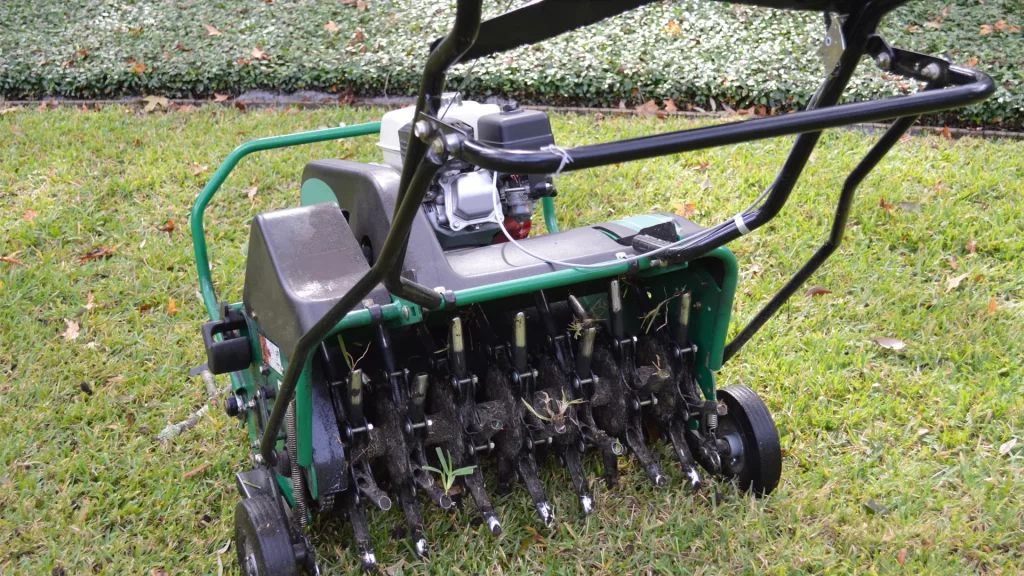
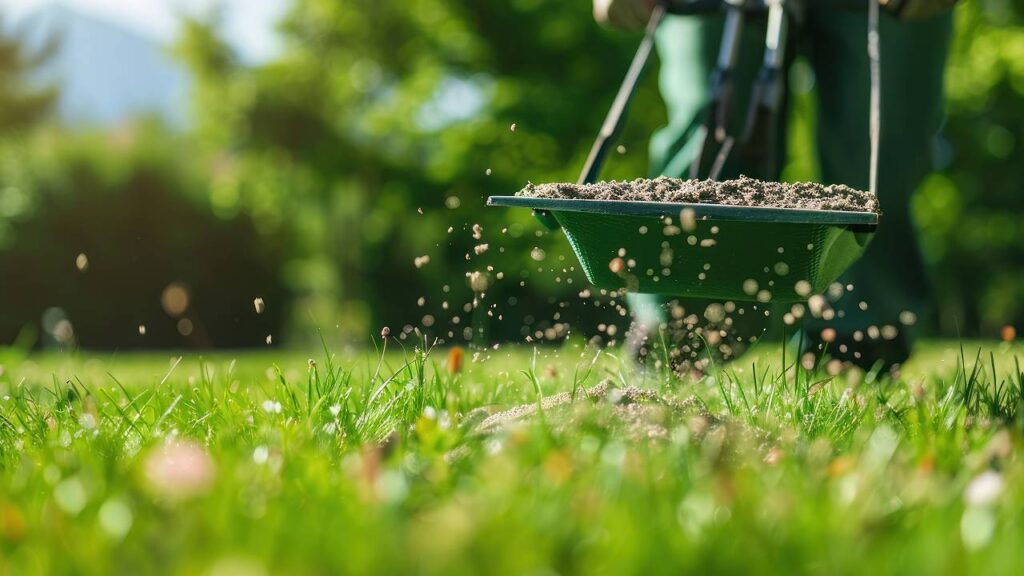
Plan aeration and overseeding for late summer or fall
Watch for Problems That Look Like Heat Stress
Not every brown patch comes from summer heat. Grubs, lawn insects, and fungal disease can create patches that do not improve after watering. This is why diagnosis matters before adding more irrigation or fertilizer.
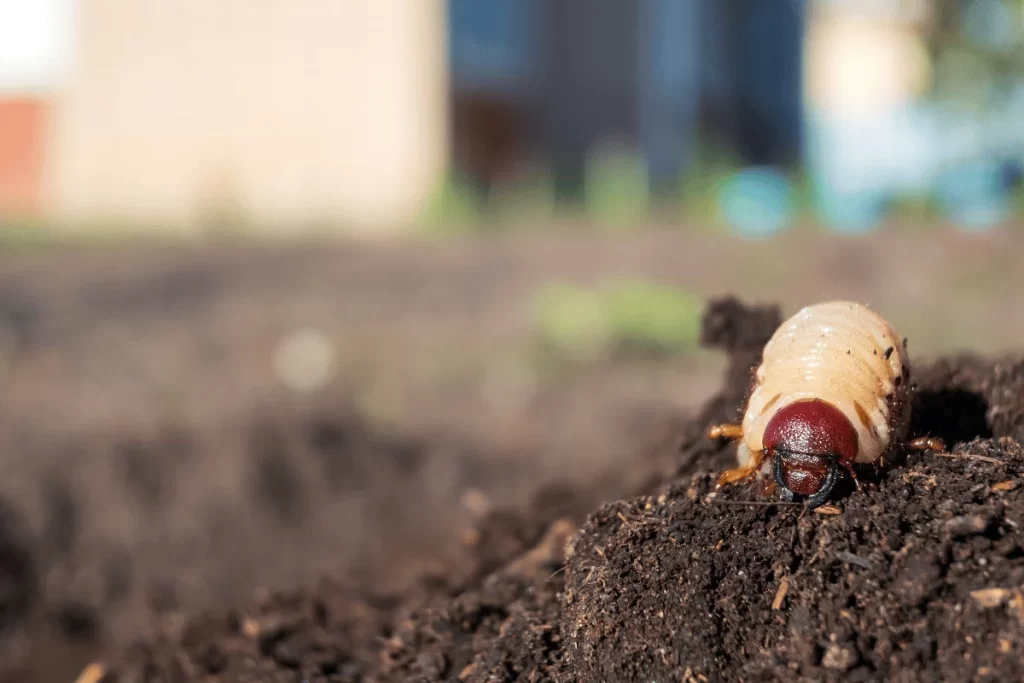
Grub damage often appears as brown, loose turf that lifts easily from the soil. Lawn disease may show up as rings, spots, yellow patches, or areas that spread during humid weather. Insect damage can also create thinning areas that look like drought stress at first.
Check These Warning Signs
Look closely before watering more:
Grass that pulls up like loose carpet
White grubs under the root zone
Circular or irregular disease patches
Brown areas that stay wet or humid
Damage that spreads even after proper watering
Thin spots that appear quickly during heat
Why Professional Lawn Care Helps During Carmel’s Summer Heat
Proscape Property Management is a helpful choice when homeowners want summer lawn care in Indiana that is based on timing, turf health, and local conditions. We look at the lawn as a full system, not just a patch of grass that needs more water. Our lawn care services can include fertilization, weed control, aeration, overseeding, lawn disease control, lawn insect control, and grub control.
We adjust our approach based on what the lawn needs during the season. In summer, that may mean using stress protectants instead of pushing heavy nitrogen, checking for pests before damage spreads, and helping the lawn hold up until fall recovery begins. We also help homeowners avoid common mistakes like overwatering, mowing too short, or trying to force growth during heat.
Keep Your Carmel Lawn Healthier Through Summer With Smarter Care
Indiana summer heat can stress Carmel lawns, but smart care can help your grass survive without wasting water. If your lawn is browning, thinning, or showing signs of heat stress, schedule an appointmenttoday and keep it stronger through summer.