The best method for lawn weed control depends on how widespread the weeds are and what your lawn actually needs. Spot treatments work best when weeds are limited to a few patches, helping you save on product and reduce chemical use. Broadcast applications are the better option when weeds have spread throughout your lawn or when you’re trying to prevent future growth. Many properties benefit most from using both methods strategically throughout the year.
Table of Contents
What Are Spot Treatment and Broadcast Applications?
Before we dive into which method works best for your situation, let’s clarify exactly what these two weed control services involve. Understanding the difference between these approaches can save you money and prevent damage to your lawn. Each method serves different purposes and works better under specific conditions.
Spot treatment involves applying herbicide directly to specific weeds or small problem patches. Picture it as precision lawn care: you identify the exact problem and address it with surgical accuracy.
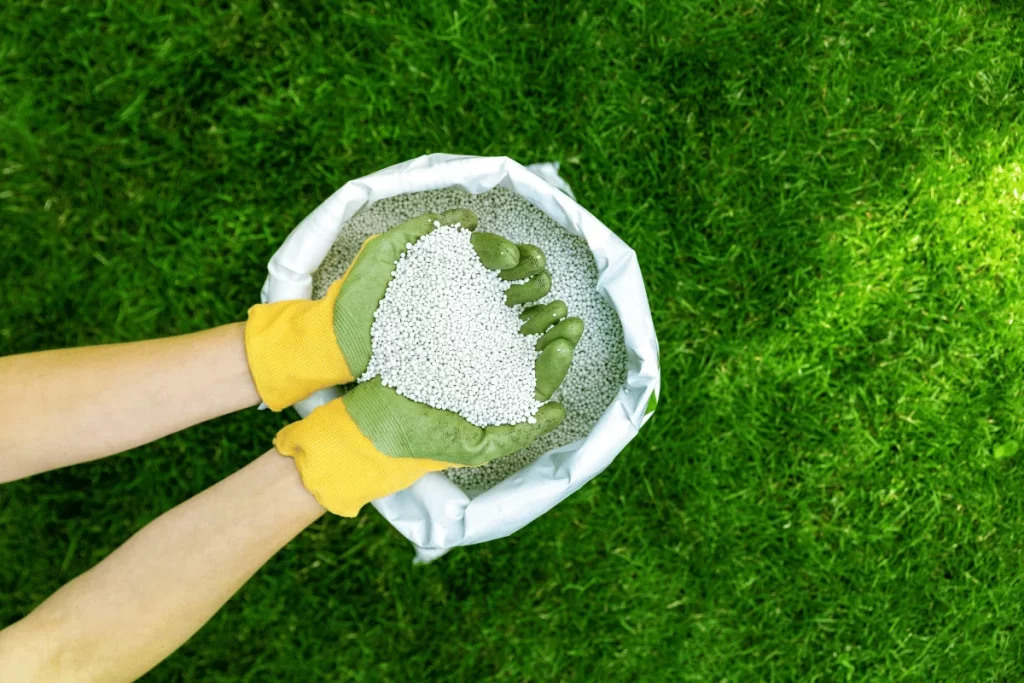
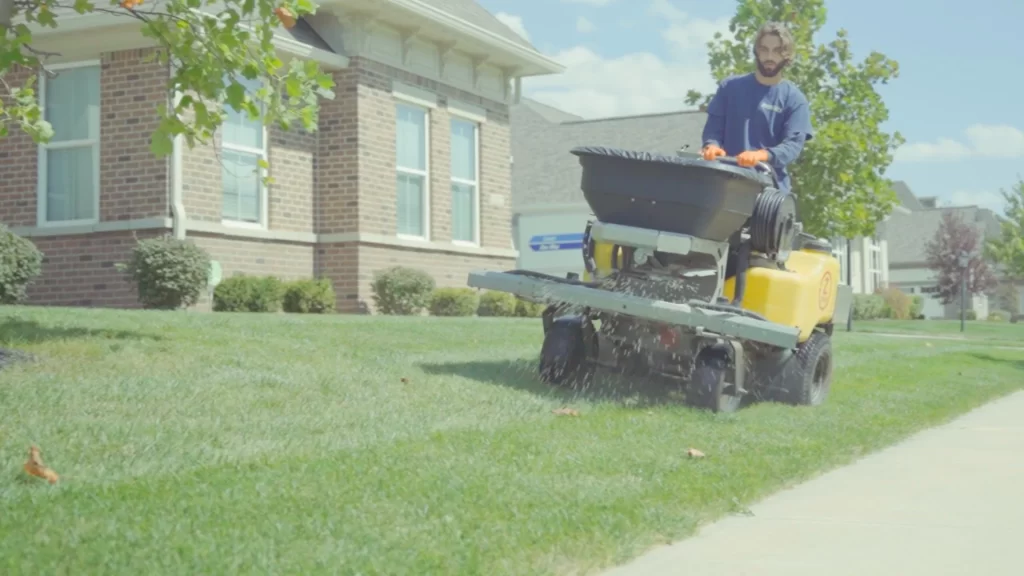
Broadcast applications mean covering your entire lawn with herbicide, whether or not every section shows visible weed problems. This method creates a protective shield across your whole property.
Each approach serves important purposes in lawn management, but selecting the wrong method can drain your budget and potentially damage your grass. Many homeowners waste hundreds of dollars each year by applying the wrong treatment at the wrong time. The good news is that making the right choice becomes much easier once you understand when and why to use each method.
When Should You Use Spot Treatments for Weeds?
Several common situations make spot treatment the smart choice for most homeowners. This targeted approach allows you to address weed problems quickly without exposing your entire lawn to chemicals. You can tackle issues as they appear rather than waiting for scheduled treatment times. Plus, spot treatments let you experiment with different products on small areas before committing to larger applications.
Limited Weed Issues: When you count fewer than 15 to 20 weeds across your entire lawn, spot treatment makes complete sense. You save money and avoid applying chemicals where they’re not needed.
Protected Zones: Around prize flower beds, vegetable plots, or pond areas, spot treatment gives you complete control. You eliminate problem weeds while keeping beneficial plants safe.
Healthy Grass Areas: Dense, vigorous grass naturally prevents most weeds from taking hold. In these areas, occasional spot treatment handles the few weeds that manage to break through.
Financial Considerations: Spot treatments require much less product than full lawn applications. Your herbicide investment stretches considerably further when you only treat actual problem spots.
Quick Response: Finding weeds early while they’re still small makes spot treatment highly effective. Young weeds haven’t spread or developed strong root systems yet.
When Broadcast Applications Work Better
Certain conditions call for the comprehensive coverage that broadcast treatments provide. When weeds have spread extensively or you need preventive protection, spot treatments simply cannot keep up with the problem. Broadcast applications create an even barrier across your entire lawn, ensuring no areas get missed or overlooked.
Widespread Weed Problems: When weeds cover more than 25% of your lawn space, broadcast treatment becomes more economical than multiple spot applications. You’re essentially treating most areas anyway.
Preventive Strategy: Pre-emergent herbicides function best when applied across entire lawn areas. These products stop weed seeds from sprouting, so complete coverage creates an effective barrier.
Struggling Grass: Lawns with bare patches or thin growth invite weed invasion. Broadcast applications help prevent weeds from establishing while your grass strengthens and fills in.
Extensive Properties: Managing weeds across multiple acres makes individual spot treatment unrealistic. Broadcast methods cover vast areas efficiently and uniformly.
Fast Spreading Weeds: Crabgrass, clover, and similar aggressive species require broadcast control. These weeds multiply rapidly, so treating entire areas prevents them from establishing new colonies.
Cost-Effectiveness: Smart Money Management
Understanding the true costs helps you make informed decisions about weed control investments. Many homeowners focus only on the initial product price without considering application time, effectiveness, and long-term results. Smart spending means looking at the total cost per successful treatment rather than just the price tag on the herbicide bottle.
Spot Treatment Savings: Typical spot applications use roughly 85% less herbicide than broadcast treatments. When broadcast treatment materials cost $60, spot treating might only cost $8 to 10. However, you may need more frequent applications as new weeds emerge.
Broadcast Investment: Although more expensive initially, broadcast applications often prevent costly future weed problems. Consider it paying extra now to avoid multiple smaller expenses throughout the season. Preemergent broadcast treatments particularly offer strong value by stopping weeds before they start.
Time Investment: Spot treatments demand more hours to locate and treat individual weeds. Professional services factor this extra labor into pricing, which can offset material savings. Broadcast applications efficiently and consistently cover large spaces.
Property Value: Effective weed management maintains your home’s appearance and market value. Well-maintained lawns significantly boost curb appeal and resale potential.
Environmental Considerations: Responsible Lawn Care
Your weed control decisions affect local ecosystems, soil health, and community water sources. Making environmentally conscious choices helps protect beneficial insects like bees and butterflies that visit your yard and surrounding areas. Responsible weed management also preserves the soil microorganisms that keep your lawn healthy naturally.
Spot Treatment Advantages: Using 85% less chemical dramatically reduces environmental impact. You minimize runoff into local waterways and groundwater systems. Beneficial insects and soil life in untreated areas remain healthy and active.
Broadcast Impact: Treating complete lawns increases total chemical use in your area. Modern selective herbicides target specific weed families while protecting grass. Professional application ensures appropriate rates and proper timing.
Balanced Strategy: Successful lawn programs often blend both approaches. Broadcast preemergent applications prevent weeds while spot treatments handle occasional breakthrough weeds without excessive chemical use.
Natural Options: Both methods can utilize organic or environmentally friendly products. Corn meal serves as broadcast preemergent treatment, while citric acid-based products work for spot applications.
Professional Application Methods: Expert Knowledge
Professional lawn services offer expertise, specialized equipment, and efficiency that many homeowners cannot match. Beyond just applying products, these specialists take time to understand your specific lawn’s unique challenges, soil conditions, and grass type to create a customized approach that addresses your property’s individual needs.
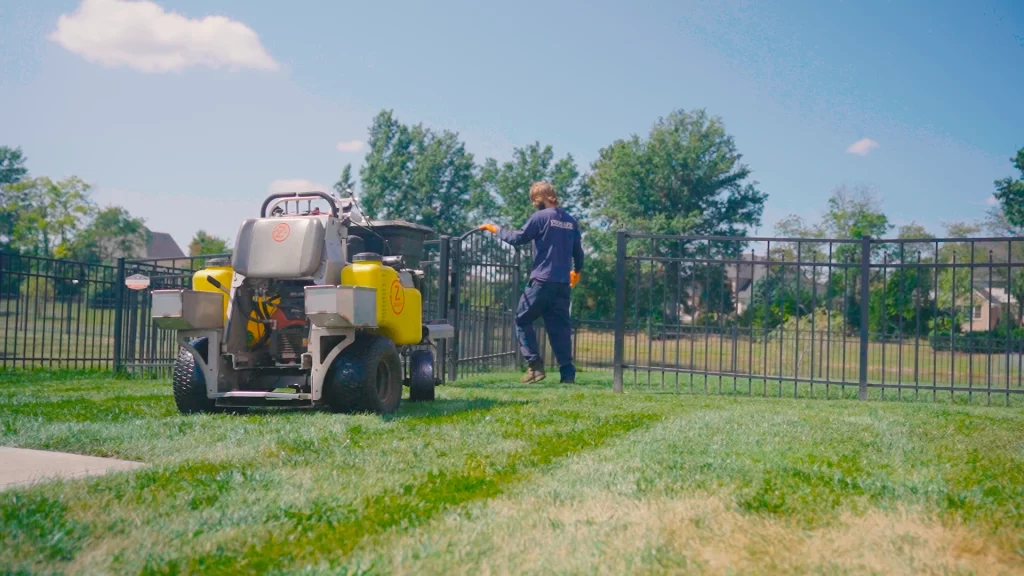
Precise Equipment: Professionals use carefully calibrated sprayers that deliver exact product amounts. This precision prevents waste and ensures effective weed elimination.
Product Expertise: Specialists understand which herbicides work best for different weed species and grass types. They recommend spot treatments for certain weeds while using broadcast methods for others.
Perfect Timing: Professionals know exactly when to apply various products for peak effectiveness. Preemergent timing depends on soil temperature measurements, not calendar dates.
Safety Standards: Professional applicators follow rigorous safety procedures and use appropriate protective gear. They understand drift prevention and application techniques that protect desirable plants.
Complete Programs: Professional services typically combine spot and broadcast treatments within comprehensive care plans. They might apply broadcast preemergent in spring, followed by spot treatments during the growing season.
How Often Should Weed Control Be Applied?
Application timing depends on multiple factors including weed pressure, product types, and seasonal weather patterns. Getting the timing wrong can waste your money and allow weeds to establish deeper root systems that become harder to eliminate. Successful weed control requires patience and consistency rather than rushing to apply treatments whenever you notice a problem.
Preemergent Schedule: Apply these products twice annually in most climates. Spring applications target summer weeds like crabgrass. Late summer applications prevent winter weeds from establishing.
Post emergent Spot Work: Apply these treatments when weeds appear. Most products allow for reapplication every 2 to 3 weeks, as needed. Check your lawn regularly and treat weeds while they’re small for optimal results.
Seasonal Considerations: Spring and early fall provide ideal conditions for weed control. Summer heat stresses weeds and grass, making herbicide applications less effective and potentially harmful.
Professional Timing: Most professional programs include 4 to 6 yearly applications, combining preemergent and post emergent treatments based on need. This schedule maintains consistent weed control without over-treatment.
Get Expert Weed Control Today
Don’t let weed problems overwhelm you or waste money on ineffective treatments. At Proscape Property Maintenance, we create custom weed control programs that combine proven spot and broadcast techniques with commercial-grade products unavailable to homeowners. Our experienced team provides the consistency and expertise that busy homeowners struggle to maintain. Ready to stop guessing about weed control? Contact us today to schedule your personalized consultation.